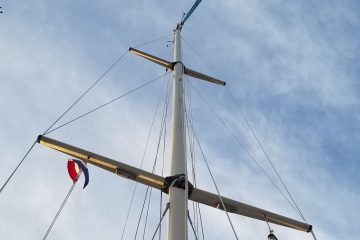
Running rigging is an essential component of a sailboat’s rigging systems, consisting of lines or ropes used to adjust the sails, control the boat’s direction and speed, and secure the boat to the dock or anchor. In this post, we will discuss the different types of running rigging, with a particular focus on the differences between SK78 Dyneema core and SK99 Dyneema core.
Running rigging is typically made of a variety of materials, including synthetic fibers like polyester and nylon, and high-performance fibers like Dyneema and Vectran. The choice of material for running rigging depends on several factors, including the type of boat, the sailing conditions, and the sailor’s preferences.
Dyneema® is a high-performance fiber that has become increasingly popular in running rigging due to its high strength, light weight, and resistance to water and UV damage. Developed in the Netherlands over 30 years ago, Dyneema is known as the world’s strongest, lightest fiber – 15 times stronger than steel. Running rigging is typically made of a Dyneema core, which provides high strength and low stretch, and a polyester or technora cover, which provides abrasion resistance and handling.
SK78 VS SK99 Dyneema Running Rigging
SK78 Dyneema core is a type of Dyneema that is commonly used in running rigging. SK78 has a high strength-to-weight ratio and is highly resistant to stretch and abrasion. SK78 Dyneema is a popular choice for racing sailboats, where low stretch and high strength are essential for maintaining sail shape and improving performance.
SK99 Dyneema has a higher strength-to-weight ratio and is even more resistant to stretch and abrasion making it a popular choice for high-performance racing sailboats, where the demands on the rigging are even greater than in other sailing contexts. The main difference between SK78 Dyneema core and SK99 Dyneema core is their strength and weight. SK99 Dyneema is stronger and lighter than SK78 Dyneema, which can improve a sailboat’s performance by reducing weight aloft and increasing sail efficiency. However, SK99 Dyneema is also more expensive than SK78 Dyneema, which can be a factor for sailors on a budget.
Choosing the right running rigging is ultimately about matching line performance with your style of sailing, your boat, and your budget. Whether you opt for the proven reliability of SK78 or the ultra-high performance of SK99, understanding the differences in strength, stretch, and durability will help you make the most informed decision for your rig.
If you’d like to dive deeper into selecting the right line for your boat, read our Ask the Rigger article, “Selecting Rope: Length, Diameter, Type,”.